If you've been searching for whirlybirds to cool your roof space, it's worth knowing what you're actually buying. A whirlybird — also called a turbine or wind vent — is a passive device. It only spins, and only extracts air, when there is enough wind to turn it. On a still, baking-hot afternoon, exactly when your roof cavity is at its worst, a whirlybird is often barely moving.
How much air does a whirlybird really move?
A typical whirlybird moves in the order of 100 m³ of air per hour on a windy day — and close to nothing when the air is calm. To ventilate a normal roof space you often need several of them spinning across the roofline, and even then their output rises and falls with the weather rather than with the heat you actually want to remove.
How solar roof ventilation is different
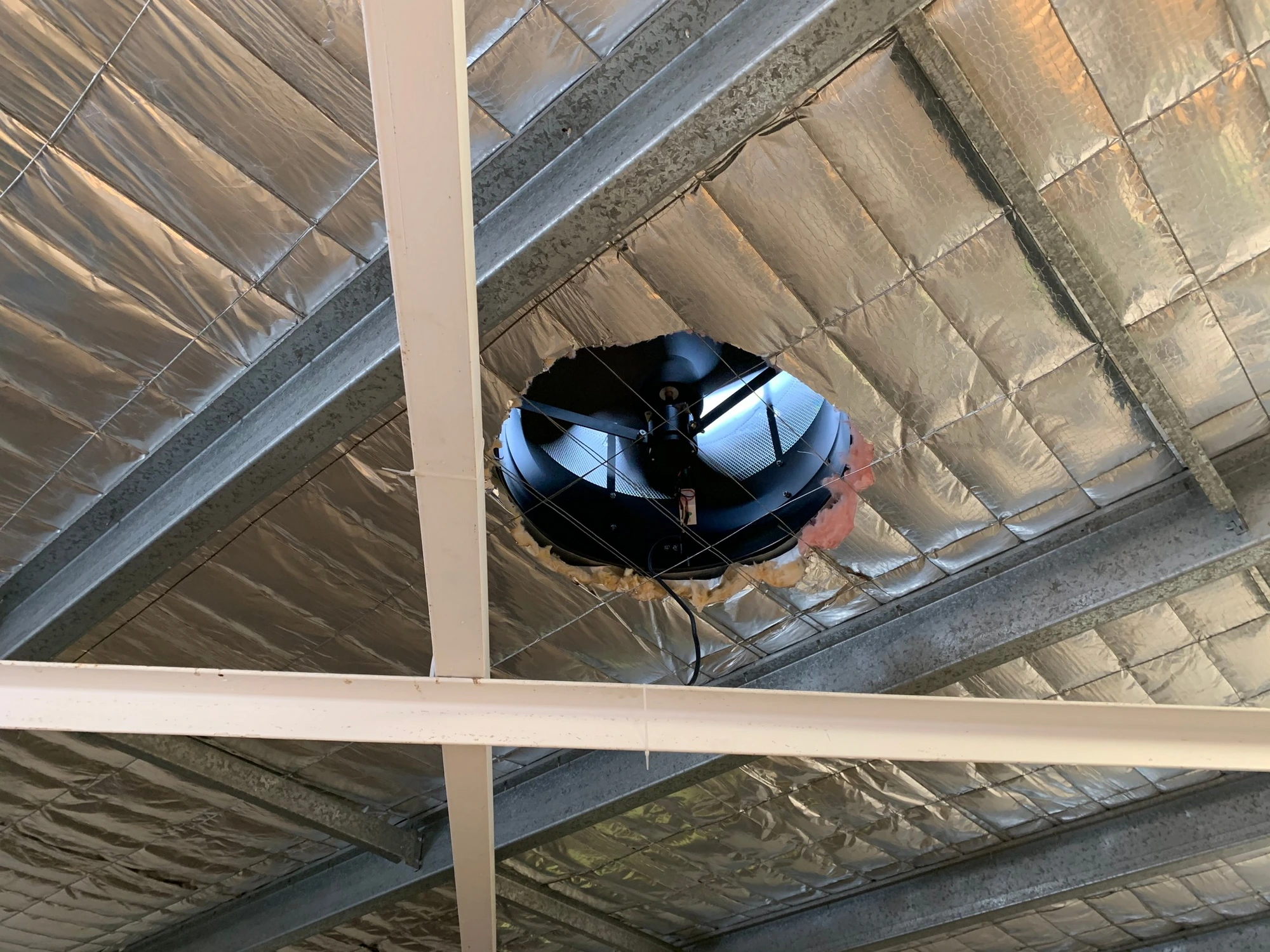
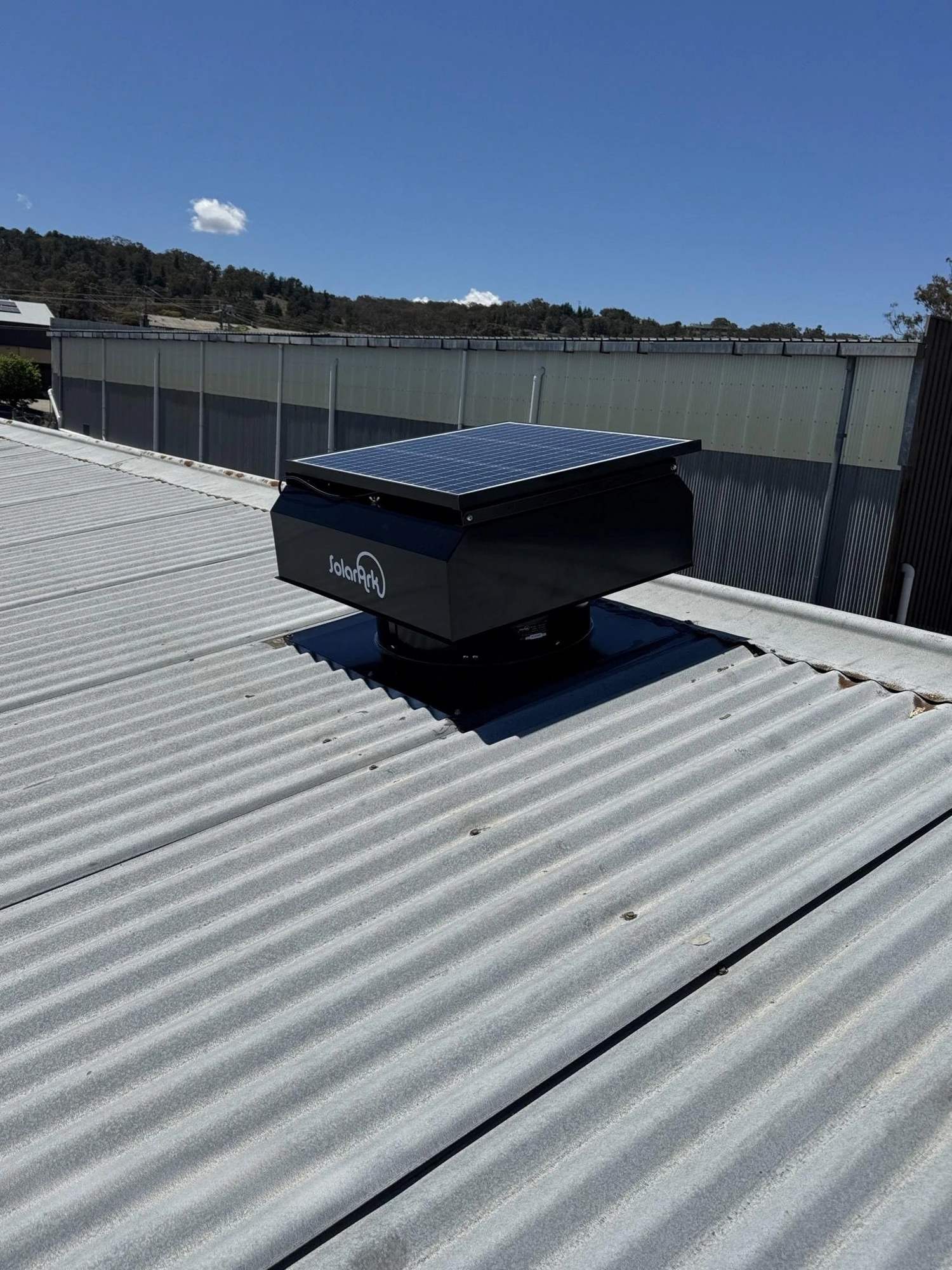
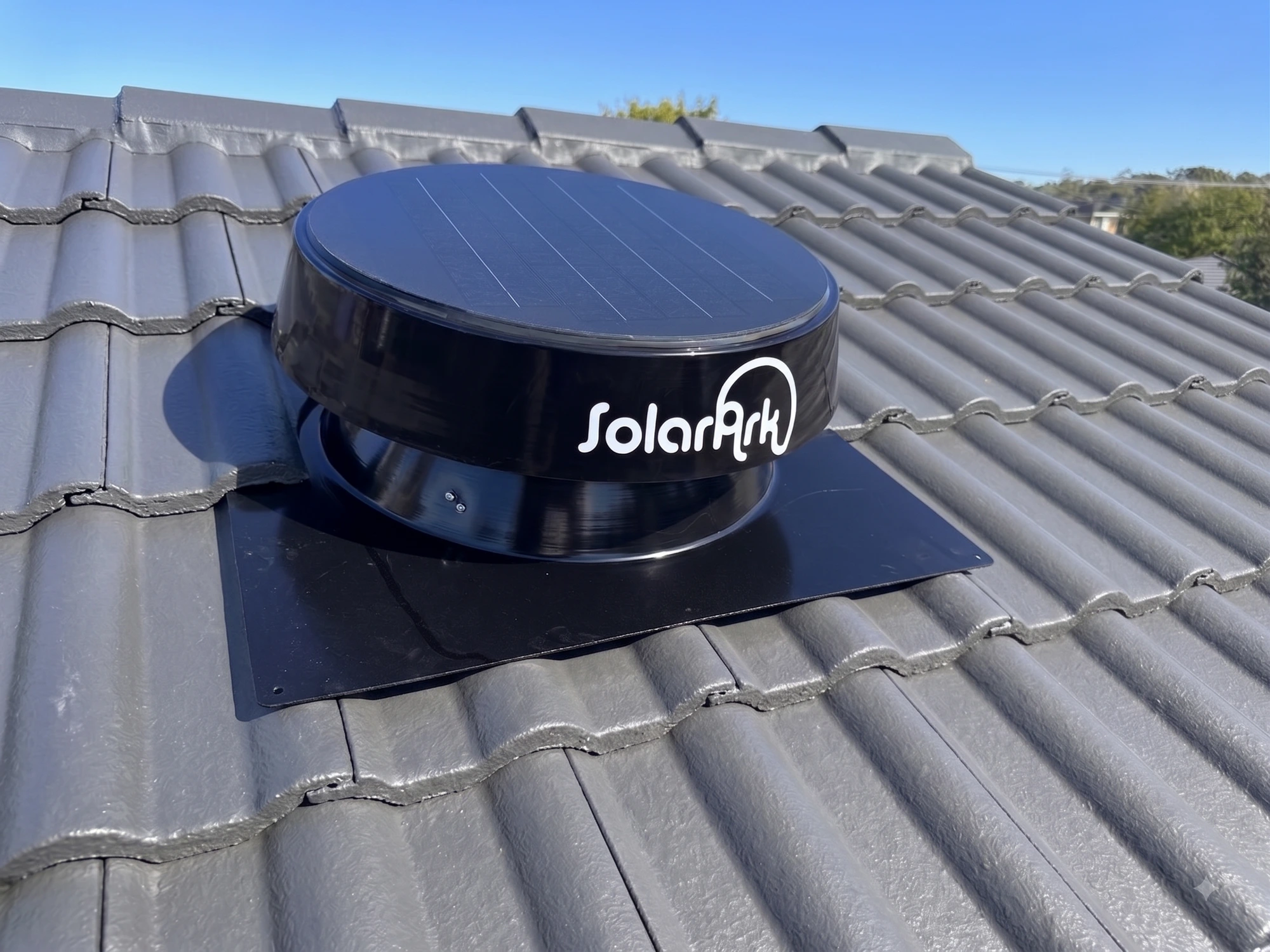
A SolarArk solar roof ventilator doesn't wait for wind. A solar panel drives a brushless motor that actively pulls hot, stale air out of the roof cavity and draws cooler air in through the eaves — continuously, from sun-up to sun-down. That means the ventilation is strongest at exactly the time your roof is hottest and the sun is highest.
| Whirlybird | SolarArk | |
|---|---|---|
| Power source | Wind only | Solar powered |
| Airflow | ≈ 100 m³/hour on a windy day | Up to 11,220 m³/hour, continuously |
| Extraction | Passive, weather-dependent | Active, motor-driven all day |
| Units for a large roof | Up to 52 spinning vents | One SAV-60T |
| Noise | Can squeak and rattle | Whisper-quiet |
| Vermin proof | No — open throat | Yes — sealed design |
One SolarArk SAV-60T moves the same air as up to 52 traditional whirlybirds.
The same $0 running cost — but real performance
People love whirlybirds because they cost nothing to run. The good news is a SolarArk ventilator is also totally solar powered, so it also costs $0 to run for the life of the product — no wiring to the switchboard, no electricity bills, no switches. The difference is that you get thousands of cubic metres of guaranteed airflow every sunny day instead of a vent that only works when the wind decides to cooperate.
Upgrading from whirlybirds
Replacing whirlybirds is straightforward. In most homes a single SolarArk unit replaces several spinning vents while delivering far more airflow, no noise, and a fully vermin-proof design. Every SolarArk ventilator is built for straightforward DIY installation, or we can connect you with a trusted installer from our national network.
Not sure how many whirlybirds a SolarArk unit would replace on your roof? Try our interactive airflow calculator or request a quote and our team will size the right model for you.